Chain-of-Thought Prompting: Beginner’s Guide
Estimated reading time: 15 minutes

Chain-of-Thought (CoT) fixes it by making them think step by step—just like we do.
Table of Contents
- Introduction
- Core Concepts
- Practical Examples
- Different CoT Techniques
- Best Practices
- Common Mistakes to Avoid
Introduction
Chain-of-Thought prompting simply means adding “Let’s think step by step” (or similar) to your prompt. It forces the AI to break down problems instead of guessing.
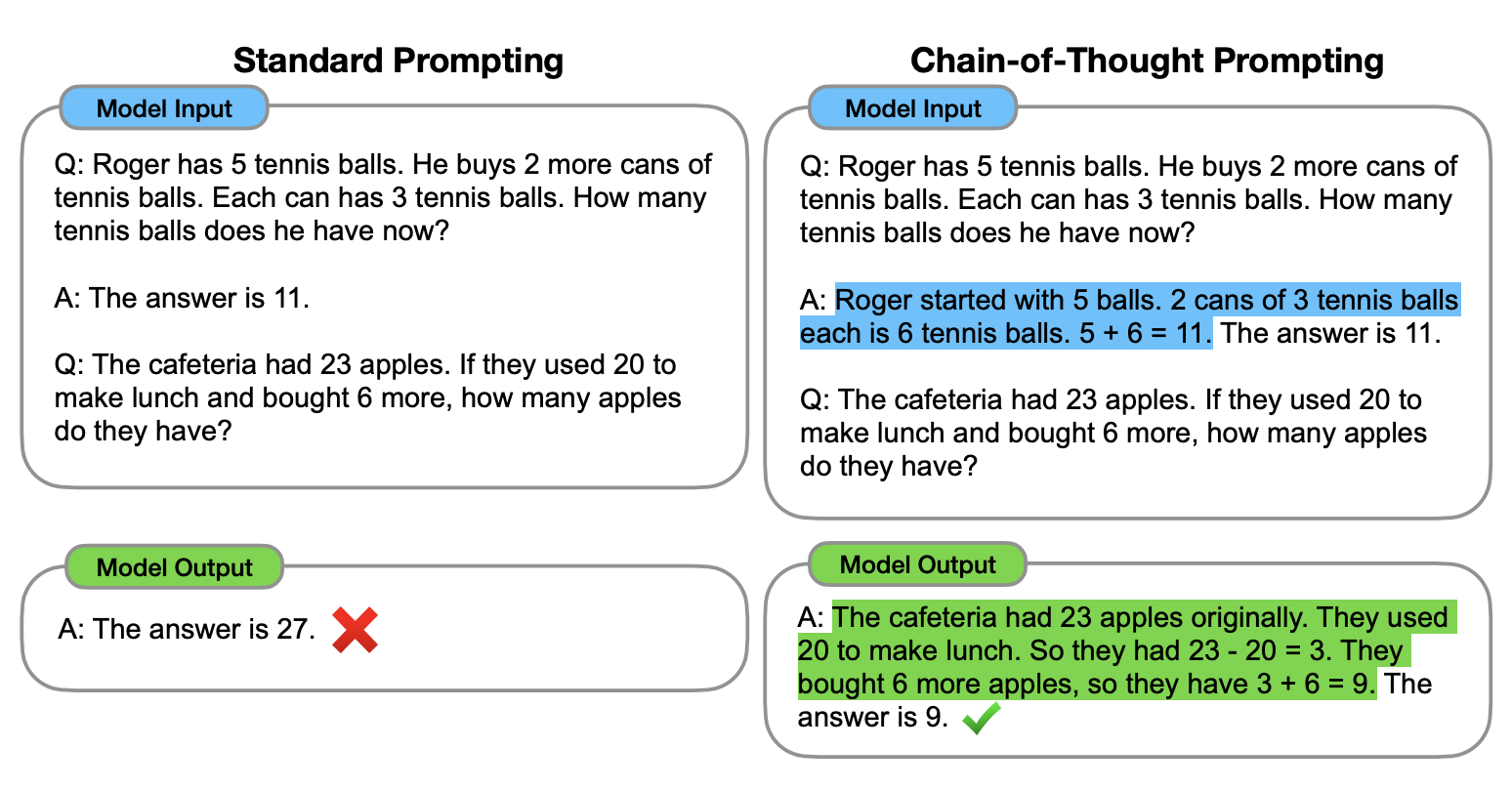
Key Takeaway: CoT turns AI from “fast guesser” to “careful thinker.” Perfect for beginners!
Core Concepts
Step-by-step reasoning: Like showing your work in math class.
Why it works: Gives the AI “thinking time” inside the model.

Key Takeaway: Use CoT whenever the task has multiple steps.
Practical Examples
1. Viral Strawberry Count (Best Beginner Demo)
Without CoT → AI often says “2”. With CoT → correctly counts “3”.
Prompt: “How many r’s are in strawberry? Think step by step.”
2. Basic Math

Prompt: "What is 25% of 80? Solve step by step."
→ 25% = 0.25 → 0.25 × 80 = 20
3. Logic Puzzle (3 Boxes)
All labels wrong → step-by-step deduction finds the truth.
4. Creative Writing
Prompt with outline steps → much better structured story.
5. Coding (Palindrome)
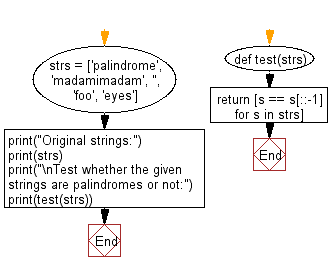
Key Takeaway: CoT works for math, logic, writing, coding—everywhere!
Different CoT Techniques

• Zero-Shot → just add the phrase
• Few-Shot → give examples first
• Self-Consistency → ask for multiple paths and vote
Best Practices & Common Mistakes
- ✓ Ask for steps explicitly
- ✓ Be specific (“explain each step”)
- ✗ Don’t use on super-simple questions
- ✗ Don’t be too vague
Thanks for reading! Share if this helped you level up your prompting.
Comments
Post a Comment